Quickie with Bob: The Death of 8k TV; News Items: Faith-Based Addiction Programs, Noise and Sleep, A Fully Renewable Grid, Moltbook for AI Agents Only; Who's That Noisy; Your Questions and E-mails: Corrections; Science or Fiction
You can now listen to all Cool Zone Media shows, 100% ad-free through the Cooler Zone Media subscription, available exclusively on Apple Podcasts. So, open your Apple Podcasts app, search for “Cooler Zone Media” and subscribe today!
Could the United States really have a multi-generational, 'above-top-secret' operation to retrieve and reverse-engineer extraterrestrial technology? In the second chapter of this special two-part series, Ben, Matt and Noel dive deeper in the allegations surrounding "The Legacy Program".
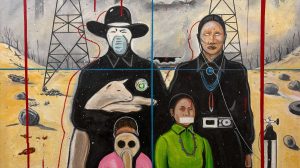
As the country gears up to commemorate 250 years since the Declaration of Independence, several galleries are exploring the enduring strengths of Native Americans through both traditional and contemporary works. “Paper Trails: Unfolding Indigenous Narratives” at the Museum of Contemporary Native Art in Santa Fe, N.M. aims to stretch the boundaries of the paper medium while also examining Native cultural survival in the face of colonization. “Constellations of Place” at the Center of Southwest Studies at Fort Lewis College is centered on a visual history of Native people in Colorado. And Seattle’s Tidelands Gallery compiles a narrative inspired by “Lushootseed Creation Stories”. We’ll talk with artists and curators about how art inserts itself into the narratives being told about the origin of America.
We’ll also hear about the year-long streaming Native film festival, “Everything is Connected”, developed by Vision Maker Media.
GUESTS
Alana Stone (Sičhą́ǧu Lakȟóta and Diné), curatorial specialist at Vision Maker Media
The gang discuss the FBI raid of the Fulton County Election office, ICE protests in Portland, DHS bodycams, and an unsealed memo on the arrest of Rümeysa Öztürk. Plus, updates on Minneapolis and Syria.
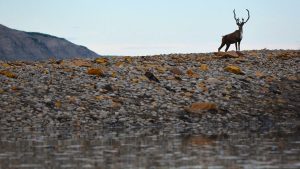
An Iñupiaq village on Alaska’s North Slope is suing after the Trump administration removed protections for an area important to subsistence hunting. The suit by Nuiqsut Trilateral Inc. says the action is in response to a move to expand oil drilling beyond what is in a Biden-era agreement for the Willow project. Another fight pitting caribou and oil drilling is resurfacing over increased momentum to drill in the Arctic National Wildlife Refuge, where Gwich’in people express concern over the declines of the Porcupine caribou herd — the state’s largest — which is down to a quarter of what it was two decades ago. We’ll look at the factors that affect Alaska’s caribou and what Alaska Native people who depend on them are doing about them.
We’ll also hear about Indigenous climate activist Daria Egereva (Selkup) who is facing terrorism charges in Russia after testifying at the United Nation’s COP30 summit in favor of including Indigenous women in climate negotiations.
Look around -- how many objects in your immediate vicinity contain plastic? This malleable, durable material has become ubiquitous -- you can find in the depths of the oceans, at the summits of the highest mountains. And, if you're like most people, plastic will be here long after you're gone. Historically, manufacturers have claimed plastic pollution can be solved by recycling... but what if there's something they don't want you to know?
In which author, music executive and host of the Identified podcast Nabil Ayers discusses selling used CDs, The Terminator, The Drum Doctor and more. Certificate #48391.
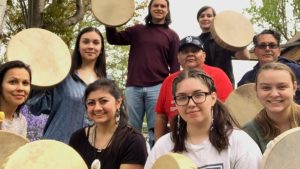
College Native American Studies courses are engines for Native-led research in addition to serving as a welcoming academic home for Native students. As it is, Native students are already the most under-represented group on college campuses. Their numbers declined in the decade before the Covid pandemic. There are indications that the 2023 Supreme Court decision upending Affirmative Action and the Trump administration’s focus on unraveling Diversity, Equity, and Inclusion (DEI) initiatives are doing further damage to all minority enrollment. As the American Indian Studies Association convention gets underway, we’ll assess the power and challenges of college programs focusing specifically on Native issues.